
An evolution in thinking


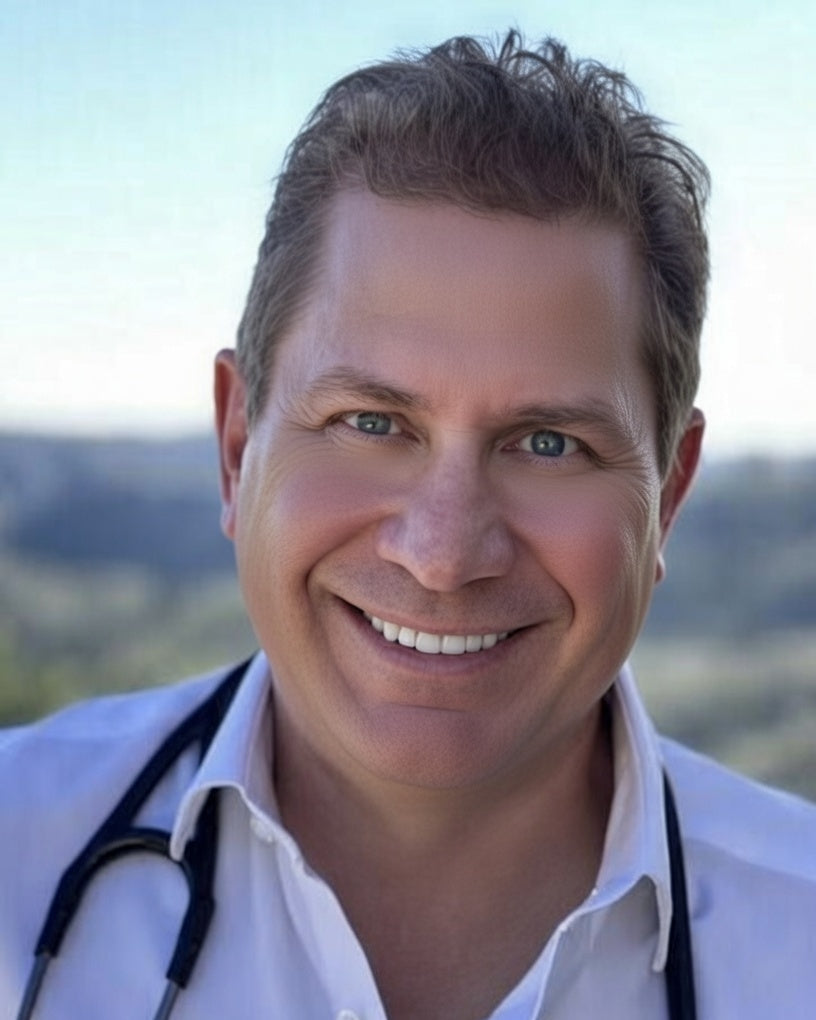
The man in the first photograph thought the literature was the map.
I'm a board-certified cardiologist. Back then, if a trial hadn't shown it, it wasn't real. The one nutrition lecture I got in medical school ended with a line I still remember: "The only thing supplements do is give you expensive urine." Most of the medical students in the room believed him.
Then a colleague pointed me toward the anti-aging fellowship. The training changed how I thought. My group didn't care for my new perspective, though partners would quietly close my door and ask what they ought to do about their own suboptimal test results. When I proposed opening a preventive practice, one interventional cardiologist said, “If you prevent heart disease, we won't be able to put in stents.” I said, "If that's how you feel, then we should put a cigarette machine in the lobby.”
Trials tell you what works for a population. No one has ever been a population. Personalized precision medicine is the future, and it's here today if you look for it.
Mark


Founders' Disclosure. Dr. Mark Gordon and Veronica Davis Gordon are co-founders and owners of Grandevity Life. They hold a financial interest in the company and are compensated from the sale of the products discussed here. This applies wherever they appear on behalf of GRANDEVITY, including this page, the founders' video, other pages of this website, emails, social media posts, advertisements, and any promotional or ambassador-facing material. All such material is promotional as well as educational, and reflects their personal views as owners of the company.
This Is Not Medical Advice. Dr. Gordon is speaking as a company founder and owner, not as your physician. Nothing in this video, on this website, or in any other GRANDEVITY material creates a doctor-patient relationship, and nothing here is intended as medical advice, diagnosis, or treatment. Talk with your own licensed healthcare provider before starting any supplement, particularly if you are pregnant or nursing, are under 18, take prescription medication (including blood thinners, blood-pressure, or diabetes medication), have a medical condition, or are scheduled for surgery.