
Longevity Synergy · The Botanicals
Quercetin
Quercetin is a plant flavonoid studied for its antioxidant activity and its role in supporting the body's natural cellular-renewal and healthy inflammatory response.†
Why It's In The FormulaA flavonoid at the center of longevity research
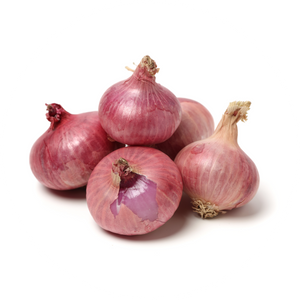
Quercetin, and its more bioavailable glycoside isoquercetin, is a flavonoid found in onions, apples, and capers that has become a focal point of longevity research. It acts as a direct antioxidant that helps neutralize free radicals and support the body's own defense enzymes.† It is also studied for its ability to help maintain a healthy inflammatory response as the body ages.† Most notably, quercetin is one of the most-studied senolytic compounds, researched for its potential to help support the body's natural clearance of aged (senescent) cells as part of normal cellular renewal.† Beyond these effects, quercetin engages several core cellular-maintenance pathways associated with healthy aging.†
A note on the evidence: much of the pathway research below comes from laboratory (cell) and animal studies, which show how a compound is thought to work. We label the evidence level honestly for each area so you can weigh it yourself.
What The Science SupportsAntioxidant, inflammatory balance & cellular renewal
Quercetin works as a direct free-radical scavenger while also priming the body's endogenous antioxidant enzymes, helping to support healthy oxidative balance at the cellular level.† Human trials and a meta-analysis of randomized controlled trials indicate it can help support a healthy inflammatory response, with more pronounced effects at higher doses.† In a separate line of early human research, quercetin combined with a partner compound has been studied for its senolytic activity, helping to support the body's natural clearance of aged, senescent cells as a concept of cellular renewal.†
How It Connects To Your Longevity PathwaysQuercetin & the master pathways
Longevity Synergy is built around cellular pathways central to healthy aging. Here is how Quercetin engages each one, with the research behind it.
Nrf2 Activation Preclinical, consistent
Nrf2 is a master regulator that switches on the body's own antioxidant and detoxification genes. Across numerous cell and animal studies, quercetin has been shown to activate the Nrf2/Keap1 pathway, helping to reinforce the cell's built-in defenses against oxidative stress.† Review literature highlights this Nrf2 targeting as a central way quercetin helps support healthy oxidative balance.†
AMPK Activation Preclinical, consistent
AMPK is the cell's energy sensor, activated when cells need to rebalance their fuel supply and support mitochondrial health. In animal and cell studies, quercetin activates AMPK, which in turn supports healthy metabolism and mitochondrial function.† One study found quercetin activated AMPK in the aging mouse brain, while others show it enhances AMPK-linked glucose handling and mitochondrial biogenesis in muscle.†
mTOR Modulation & Autophagy Preclinical
The mTOR pathway governs the balance between cell growth and autophagy, the internal recycling process cells use to clear damaged components. In cell and animal models, quercetin has been shown to dial down mTOR signaling and, in turn, help promote autophagy, supporting the body's natural cellular housekeeping.† This modulation of the PI3K/Akt/mTOR axis is a recurring theme in preclinical quercetin research.†
Sirtuin Activation Preclinical
Sirtuins (such as SIRT1 and SIRT6) are longevity-associated enzymes involved in DNA maintenance, metabolism, and the cellular stress response. Biochemical and cell studies show quercetin can interact with and activate sirtuins, and review literature explores SIRT1 as a key mechanism behind quercetin's role in supporting healthy aging.† Structural work has mapped how quercetin binds SIRT6 to modulate its activity.†
At A GlanceEvidence summary
| Area | What it supports† | Evidence level |
|---|---|---|
| Antioxidant & inflammatory balance | Neutralizing free radicals and a healthy inflammatory response | Moderate human |
| Cellular renewal (senolytic) | The body's natural clearance of aged, senescent cells | Early human |
| Nrf2 / AMPK pathways | The cell's own antioxidant defenses and energy-sensing systems | Preclinical, consistent |
| mTOR / autophagy & sirtuins | Cellular housekeeping (autophagy) and longevity-linked sirtuin activity | Preclinical |
One Capsule · Eight Botanicals
Quercetin is one of eight, working in synergy
Each botanical in Longevity Synergy was chosen to support the master longevity pathways together.†
Explore Longevity SynergySourcesSelected research
- Impact of quercetin on systemic levels of inflammation: a meta-analysis of randomised controlled human trials. International Journal of Food Sciences and Nutrition, 2020 (human meta-analysis) https://pubmed.ncbi.nlm.nih.gov/31213101/
- The effect of quercetin supplementation on selected markers of inflammation and oxidative stress. Evidence-Based Complementary and Alternative Medicine, 2013 (human RCT) https://pmc.ncbi.nlm.nih.gov/articles/PMC3685779/
- Senolytics decrease senescent cells in humans: Preliminary report from a clinical trial of Dasatinib plus Quercetin. EBioMedicine, 2019 (early human) https://pubmed.ncbi.nlm.nih.gov/31542391/
- Therapeutic potential of quercetin: Targeting Nrf2 to counteract oxidative stress and inflammation. Journal of Advanced Research, 2024 (review) https://pmc.ncbi.nlm.nih.gov/articles/PMC11245930/
- Quercetin activates the Nrf2/Keap1 pathway to alleviate lung ischemia-reperfusion injury. Scientific Reports, 2024 (animal) https://pubmed.ncbi.nlm.nih.gov/39367100/
- Quercetin activates AMPK by reducing PP2C expression, protecting old mouse brain against high cholesterol-induced neurotoxicity. Journal of Nutritional Biochemistry, 2011 (animal) https://pubmed.ncbi.nlm.nih.gov/20690163/
- Quercetin ameliorates glucose uptake via the AMPK pathway in a skeletal muscle cell line. Frontiers in Pharmacology, 2017 (cell) https://www.frontiersin.org/journals/pharmacology/articles/10.3389/fphar.2017.00336/full
- Inhibition of mTOR signaling by quercetin. Cancer Letters, 2013 (review) https://pubmed.ncbi.nlm.nih.gov/23272907/
- Quercetin triggers macroautophagy and blocks mTOR activity. Histochemistry and Cell Biology, 2011 (cell) https://link.springer.com/article/10.1007/s00418-011-0869-0
- Therapeutic application of quercetin in aging-related conditions: SIRT1 as a potential mechanism. Frontiers in Immunology, 2022 (review) https://pmc.ncbi.nlm.nih.gov/articles/PMC9355713/
- Structural basis for the activation and inhibition of Sirtuin 6 by quercetin and its derivatives. Scientific Reports, 2019 (cell) https://www.nature.com/articles/s41598-019-55654-1
†These statements have not been evaluated by the Food and Drug Administration. This product is not intended to diagnose, treat, cure, or prevent any disease. Much of the pathway research described above is from laboratory and animal studies and indicates biological mechanisms rather than proven human outcomes.
← Back to The Science of Longevity Synergy